Hotel Breakfast Cereal & Beverage Station: How to Plan Capacity, Flow and Hygiene
A hotel breakfast cereal and beverage station is planned by numbers, not by looks: one 7–8 L cereal hopper serves roughly 60–100 covers with one mid-service refill, juice demand runs about 200 ml per cover, and milk must stay at or below 4°C (40°F) for the whole service. Put the station beside the hot line to split traffic, label every hopper for allergens, and set restock triggers at one-third full.
Why Breakfast Is a Different Planning Problem
Breakfast punishes bad station design faster than any other service. The demand arrives in a compressed peak — most hotel guests eat within a two-hour window — every item is self-service, and half the station is a cold-chain product that must never sit in the danger zone. Dinner lines forgive a slow tap or an empty hopper; the 7:40 a.m. queue does not.
Three constraints shape every decision in this guide:
- Peak density. 60–70% of covers arrive inside the same 90 minutes, so capacity planning must be built for the peak, not the average.
- Cold products on open display. Milk, yogurt and fresh juice sit in the danger zone (5–60°C / 41–140°F) within minutes unless the equipment holds them cold.
- Allergen exposure. Cereal is the most allergen-dense item on the buffet — gluten, nuts and cross-contact all live in this one zone.
Capacity Planning: The Numbers Behind the Station
Start from what one guest actually consumes, then convert to equipment. The figures below are planning benchmarks used in hotel F&B budgeting — adjust for your market and concept, and always confirm cold-holding thresholds against your local food code.
| Item | Typical Portion per Cover | Planning Formula | Example: 100 Covers |
|---|---|---|---|
| Dry cereal | 30–40 g | Hopper volume (L) × 0.3–0.5 kg/L bulk density ÷ 0.035 kg per cover | Two 7–8 L hoppers, one mid-service refill |
| Juice | 200–250 ml | Covers × 0.2 L = total litres per service | 20–25 L across two or three bowls, staged refills |
| Milk | 100–150 ml | Covers × 0.12 L; hold at 4°C (40°F) or below | 12–15 L in portion-control dispensers, rotated from refrigeration |
| Coffee / tea | 150–200 ml per cup | Covers × 1.3 cups; a 10 L urn ≈ 55–65 cups | Two 10 L urns or one urn plus a brewed-to-order point |
The cereal formula matters most because flake cereal is deceptively light: an 8 L hopper that looks full may hold only 2.5–4 kg once the cereal settles. Budget one full hopper per 60–100 covers and schedule the refill before the second hour of service, when the queue is longest.
Cereal and Dry-Food Dispensers: What to Specify
A cereal dispenser is a simple machine, which is exactly why the details decide its daily performance. Compare the three working formats before comparing prices.
Gravity dispense
A lever opens the hopper gate and cereal flows into the bowl below. Fast, familiar, and the standard for hotel breakfast. Requires a deep bowl or drip tray under the gate to catch the pour.
Portion control
A measured cup or wheel releases a fixed portion per turn. Slower per guest but exact for cost control — the format used in corporate cafeterias and all-inclusive properties watching per-cover food cost.
Rotating canister
Sealed canisters on a stand, each with its own gate. Best hygiene isolation between varieties and the cleanest look for self-service; check canister availability as spare parts before committing.
Whichever format, verify four details on the spec sheet: hopper capacity in litres (not "serves X"), BPA-free or food-grade polycarbonate declaration, gate seal quality (sticky muesli defeats cheap gates), and whether the stand holds bowls at a height that clears the dispense gate — an undersized gap sprinkles cereal across the counter by 8:30. For the full format comparison and add-on accessories, see the cereal and dry-food dispenser range.
Juice and Cold Beverage Dispensers
Juice demand at breakfast is the highest-volume cold line on the buffet. Bowl count follows covers: single-bowl units suit up to about 80 covers, double and triple configurations take 150–300 covers without mid-service refills. Stainless-steel bodies with transparent tanks (typical 8–24 L) are the durable choice for hotels; plastic tanks scratch and cloud within a year of daily service.
How should a beverage dispenser sit at a breakfast buffet?
Four placement rules answer most of the questions buyers ask:
- Tap clearance over the drip tray. The spout must sit inside the tray's catch area, not at its edge — a tap hanging over the rim drips onto the counter all morning.
- Bowl height for one-hand service. Guests hold a plate in one hand; the dispensing point should sit low enough to fill a glass one-handed, roughly at elbow height.
- Cooling behind, not beside. Compressor units need rear ventilation clearance; ice-bath models need a restock plan for ice. Never enclose either in tight millwork without checking the manual.
- Labels facing the queue. Juice identity changes daily; a card holder per bowl prevents the morning's most common guest complaint.
The full type-by-type comparison — single, double and triple configurations with capacity and feature tables — is covered in our commercial juice dispenser buying guide; the 8–24 L stainless steel range and the 8 L digital-display model show both ends of the specification scale.
Milk and Dairy: The Cold-Chain Rule
The benchmark: milk and fresh dairy belong at or below 4°C (40°F) for the entire service — the common HACCP-based cold-holding threshold; some local codes permit up to 5°C (41°F). The widely applied two-hour rule caps the time perishable dairy may sit above that threshold. Verify your own jurisdiction's code with your food-safety officer — the buffet display supports holding, it does not replace the cold chain.
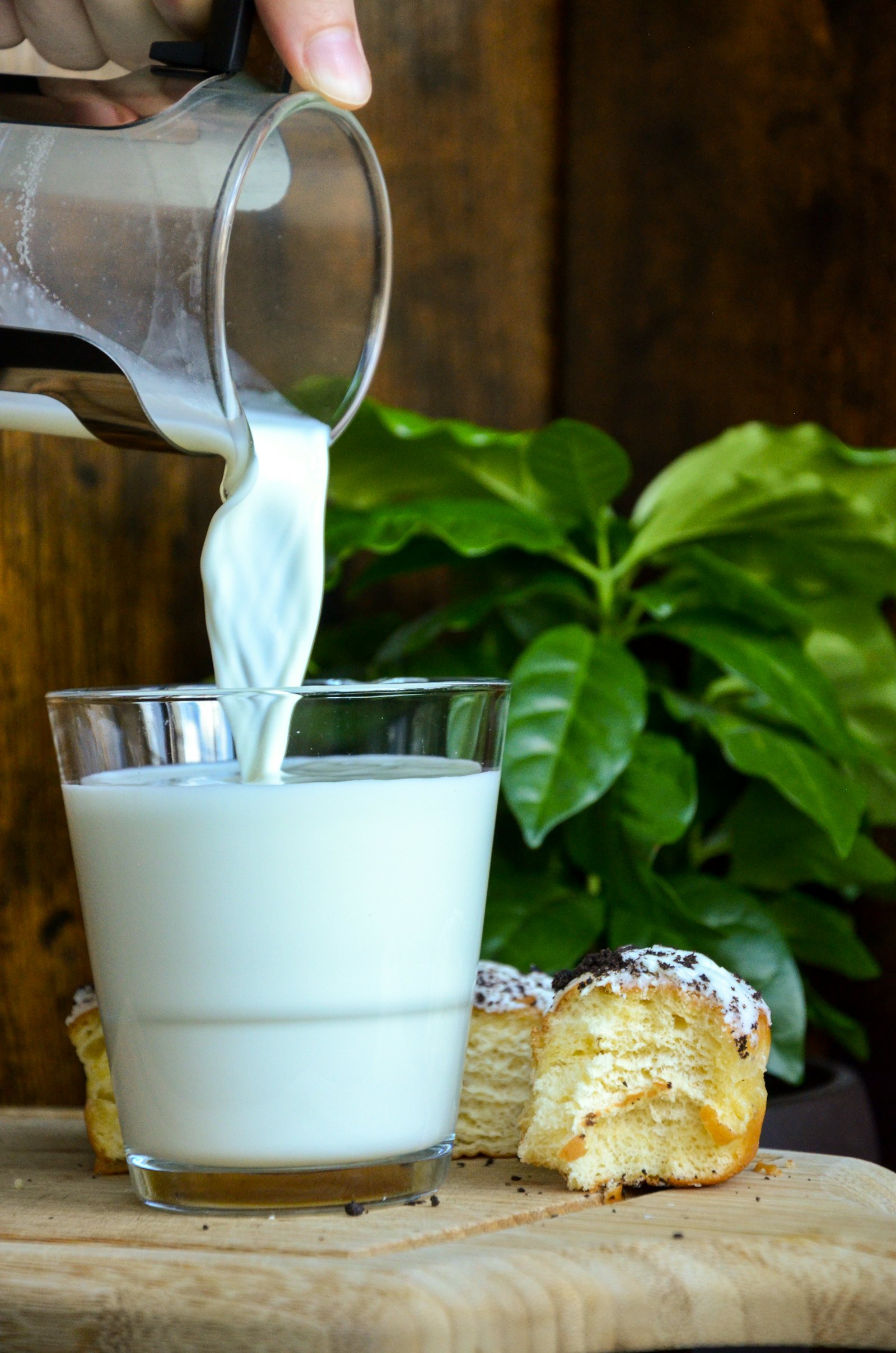
In practice this means rotating dairy from refrigeration in small batches rather than loading the whole morning's supply at 6:30. Portion-control milk dispensers — sealed units loaded with chilled cartons — hold temperature far longer than open jugs on ice, and the portion-control milk dispenser format also removes shared-contact risk. Open jugs on ice beds are the weakest option: meltwater warms the milk surface faster than most teams expect, and the 9 a.m. product is a different risk than the 7 a.m. one.
Hot Beverages: Coffee and Tea Without the Queue
Coffee drives the longest single queue at breakfast, which is why urn capacity is a flow decision before it is an equipment one. At 1.3 cups per cover, 150 guests draw roughly 30 L per service — two 10 L urns with a staggered brew cycle, or one urn plus a brewed-to-order espresso point that absorbs the demand of guests who would otherwise wait in line. Tea stations need only hot water at 90–95°C, labeled infusions, and a drip tray of their own.
Position hot beverages away from the cereal and juice counter: steam, spills and crowds around the coffee point are the fastest way to slow every other line at the station.
Station Layout and Guest Flow
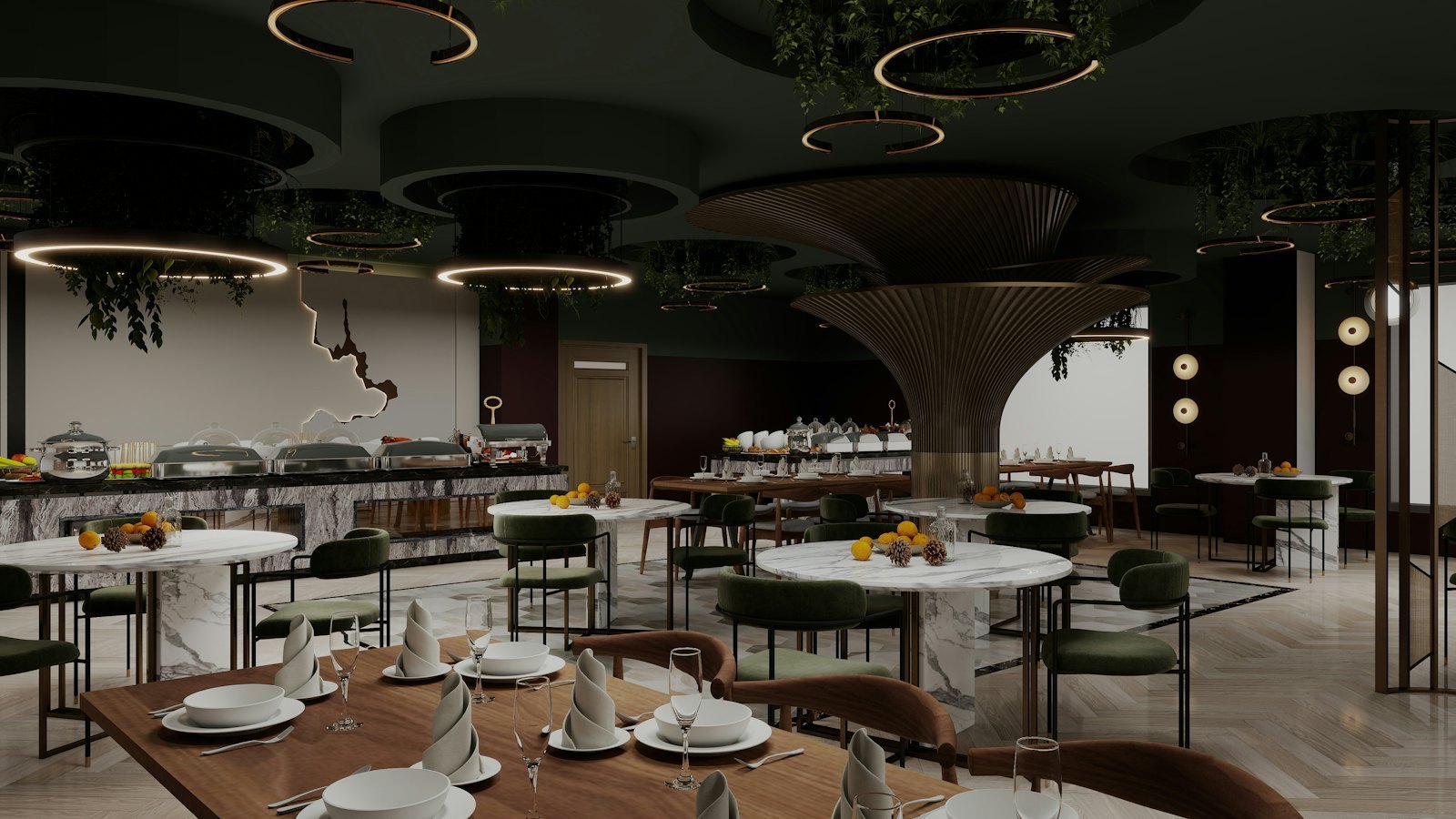
The cereal and beverage station should sit beside the hot line, not inside it. Splitting the two zones lets guests collect cold items while hot plates are still being prepared, and removes the single biggest cause of the morning bottleneck. The complete zone-sequencing framework — including lane widths and counter depths — is set out in our hotel breakfast buffet layout guide.
- Zone the cold cluster first. Cereal, milk, juice and yogurt share one counter run with a one-way flow; keep approach lanes at 90 cm minimum.
- Set one dispense point per 60–80 covers. More than that and queues merge; fewer and the station empties before the second hour.
- Stage restocking behind the line. Refill cartons, hopper top-ups and ice must load from the staff side without crossing the guest lane.
- Assign a restock trigger. Top up every hopper and bowl at one-third full, and rotate dairy on a written 30-minute check.
Allergen Labeling and Hygiene Discipline
Cereal concentrates the buffet's allergen risk into one counter. Wheat, nuts, soy and dairy all appear here, and guests serve themselves — so the labeling and the tools do the work staff cannot supervise.
- One labeled card per hopper — variety name plus allergen declaration — refreshed whenever the product changes, not once per breakfast menu revision.
- One scoop or gate per hopper, never shared. A single scoop crossing three hoppers moves allergens and crumbs between varieties all morning.
- No topping up over old product. Refill hoppers with the residue cleared; pouring new cereal over stale crumbs is the most common hygiene audit finding at this station.
- Full strip-down daily. Hoppers, gates and drip trays disassemble and wash daily; oily muesli residue turns rancid and glues gates shut within days.
Frequently Asked Questions
How many cereal dispensers does a hotel breakfast buffet need?
Plan one 7–8 L hopper per cereal variety — typically three to four for a full hotel breakfast — and budget one full hopper per 60–100 covers with a mid-service refill. A 200-cover banquet room therefore runs four to six hoppers across two counter positions.
What size juice dispenser do I need for 100 guests?
At 200–250 ml per cover, 100 guests draw 20–25 L per service. Two 10–12 L bowls with staged refills cover the peak; a triple-bowl configuration removes refills entirely but needs the counter space to match.
How long can milk sit out at a breakfast buffet?
The widely applied two-hour rule caps the time dairy may sit above 4°C (40°F). In practice, rotate chilled stock in small batches and pull open jugs well before the limit — portion-control dispensers with sealed chilled cartons avoid the problem altogether.
Are gravity or portion-control cereal dispensers better?
Gravity dispensers move the morning peak faster; portion-control units give exact cost and hygiene isolation. High-volume hotel breakfasts standardize on gravity with deep drip trays; corporate and all-inclusive properties often choose portion control where per-cover food cost is the binding constraint.
Can beverage dispensers serve hot drinks?
Only units specified for hot holding — insulated or heated models with hot-rated taps and gaskets. Standard cold-juice dispensers are not built for it: seals deform and tanks crack. For breakfast coffee and tea, use dedicated hot-water urns and hot beverage equipment instead.
Key Takeaways
- Plan for the peak, not the average: one 7–8 L cereal hopper per 60–100 covers, about 200 ml juice per cover, 1.3 coffee cups per guest.
- Hold milk and fresh dairy at or below 4°C (40°F), rotate in small batches, and treat the two-hour rule as the ceiling — verify your local code.
- Place the station beside, not inside, the hot line; one dispense point per 60–80 covers; lanes at 90 cm minimum.
- Label every hopper for allergens, never share scoops, and top up at one-third full — the cereal station is the buffet's highest allergen-density zone.
About This Guide
This guide reflects the PYEIN® product team's experience equipping hotel breakfast stations, buffet restaurants, and catering operations worldwide — including the cereal, juice, and beverage dispenser configurations specified most often for 100–500-cover services. Browse the beverage dispenser collection and the cereal and dry-food dispenser range, or see the full buffet equipment catalog with OEM/ODM support.