How to Choose Buffet Equipment for Hotels and Restaurants: The Complete 2025 Procurement Guide
Choosing the right buffet equipment for hotels and restaurants requires evaluating six factors in order: service scenarios (banquet vs. à la carte vs. retail), core equipment categories (display stands, food warmers, dispensers, tableware), material selection (stainless steel, acrylic, wood, glass), budget planning (capital cost vs. lifecycle cost), supplier evaluation (manufacturing capability, customization, after-sales), and maintenance protocols. A well-planned buffet setup typically costs between $3,000 and $25,000 depending on scale, and should be treated as a 5–7 year operational investment rather than a one-time purchase.
Why Buffet Equipment Selection Matters
Buffet service is one of the highest-revenue F&B formats in hospitality. A well-designed buffet station can increase guest satisfaction scores by 15–30%, reduce food waste by up to 20%, and improve service efficiency during peak hours. Yet many hotels and restaurants approach buffet procurement as a simple "buy what looks good" exercise — leading to mismatched equipment, premature wear, food safety risks, and wasted budget.
This guide draws on 11 years of manufacturing experience at PYEIN®, where we have delivered over 500 custom buffet projects across 30+ countries. We'll walk you through each decision point with practical checklists and comparison tables.
Planning a buffet setup? Request a free 3D layout design tailored to your venue.
Step 1: Define Your Service Scenarios
Before browsing any catalog, map out exactly how and where your buffet equipment will be used. Different scenarios demand fundamentally different equipment configurations.
Common Buffet Service Scenarios
| Scenario | Typical Scale | Key Requirements | Priority Equipment |
|---|---|---|---|
| Hotel Breakfast Buffet | 100–500 guests | High turnover, food safety, rapid refills | Chafing dishes, cereal dispensers, beverage dispensers, modular stations |
| Banquet & Event Catering | 50–1000 guests | Mobility, quick setup/breakdown, elegant presentation | Mobile buffet stations, foldable display stands, portable food warmers |
| Restaurant Buffet (Daily) | 50–200 guests | Durability, space efficiency, visual appeal | Fixed buffet counters, display stands, ice housing, tableware |
| Retail & Deli Display | Variable | Product visibility, portion control, hygiene | Bakery display cases, dry food dispensers, condiment containers |
| Theme Dinner / Specialty Buffet | 50–300 guests | Aesthetic impact, customization, brand storytelling | Custom display stands, themed tableware, signature beverage stations |
Needs Assessment Checklist
- How many guests do you serve per meal period at peak capacity?
- How many menu items will be displayed simultaneously?
- Do you need to reconfigure the buffet layout for different events?
- What is your available floor space (in square meters)?
- Do you have specific brand or theme requirements for visual consistency?
- What is your staff's experience level with buffet service operations?
Step 2: Identify Core Equipment Categories
A complete buffet setup consists of six functional equipment groups. Understanding each category's role helps you avoid both over-purchasing and critical gaps.
1. Buffet Stations & Counters
The foundation of your buffet layout. Mobile buffet stations offer flexibility for multi-purpose venues, while fixed counters provide stability for permanent restaurant installations. Look for modular designs that allow you to add or remove sections as your menu changes.
Key considerations: Countertop material (stainless steel, granite, wood), wheel lock quality for mobile units, integrated sneeze guard options, and electrical/gas hookups for heated sections.
2. Buffet Display Stands
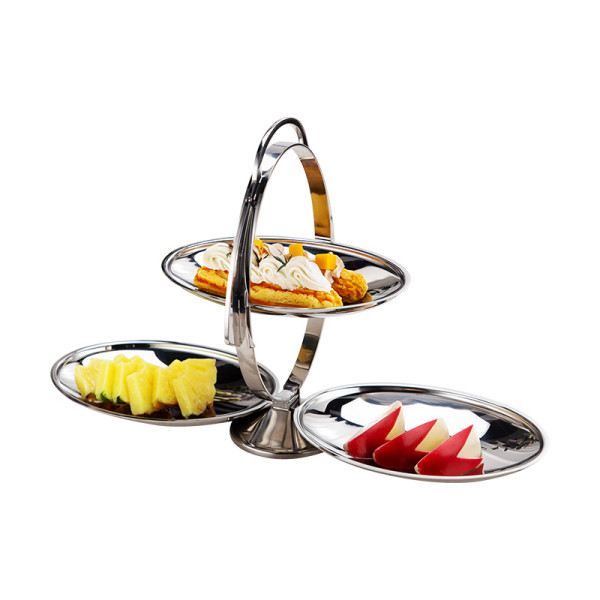
Display stands create vertical visual hierarchy. Buffet display stands come in tiered, cascading, and sculptural designs across multiple materials.
Key considerations: Weight capacity per tier, stability on uneven surfaces, ease of cleaning between services, and compatibility with your existing plate and bowl sizes.
3. Food Warmers & Chafing Dishes
Food safety is non-negotiable. Food warmer buffet ware — including chafing dishes, food heat lamps, and soup pots — offer adjustable temperature control across a 35–80°C (95–176°F) range, with 60–80°C recommended for safe hot food holding per international food safety standards.
Key considerations: Fuel type (electric, induction), temperature consistency across the pan, water pan capacity for steam-type chafing dishes, and lid mechanism (roll-top vs. lift-off).
4. Beverage & Food Dispensers
Self-service beverage stations reduce staff workload by 30–40% during peak hours. Drink and food dispensers include juice dispensers, coffee urns, cereal dispensers, and condiment pump stations.
Key considerations: Capacity per unit (liters), drip tray design, ease of disassembly for cleaning, cold/hot retention capability, and portion control accuracy.
5. Ice Housing & Cold Display
For seafood, fruit, salads, and chilled desserts, ice housing and cold display units maintain temperatures below 4°C (40°F). Options range from simple ice beds to refrigerated display cases.
Key considerations: Drainage system for meltwater, insulation quality, condensation management, and food-grade material certification.
6. Custom Tableware & Accessories
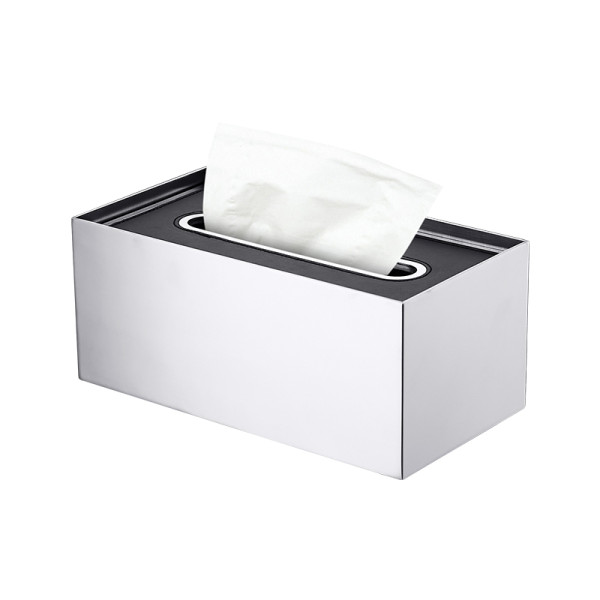
The finishing touch that elevates a buffet from functional to memorable. Custom tableware — including napkin holders, condiment containers, table number stands, and ashtrays — reinforces brand identity.
Key considerations: Logo customization options, material durability for commercial dishwasher use, and design coherence across all touchpoints.
Step 3: Compare Buffet Equipment Materials
Material choice directly impacts durability, aesthetics, maintenance cost, and price. Most premium buffet setups use a combination of materials — each selected for its functional zone.
| Material | Durability | Aesthetic | Best For | Price Range | Maintenance |
|---|---|---|---|---|---|
| Stainless Steel | Excellent — 10+ year lifespan | Modern, professional, clean | Chafing dishes, food pans, structural frames | Medium-High | Low — dishwasher safe, rust-resistant |
| Acrylic / PMMA | Good — 5–7 years with care | Transparent, lightweight, modern | Dessert stands, risers, sneeze guards | Low-Medium | Medium — hand wash, scratch-prone |
| Solid Wood (Bamboo/Oak) | Good — 7–10 years with treatment | Warm, natural, upscale | Display boards, serving platters, decorative risers | Medium-High | High — requires oiling, no prolonged soaking |
| Tempered Glass | Good — 7+ years (breakage risk) | Elegant, premium, transparent | Sneeze guards, display case doors, serving trays | Medium | Low — dishwasher safe, streak-free cleaning |
| Ceramic | Good — 5–8 years with care | Elegant, premium, versatile finishes | Serving platters, bowls, display trays | Medium | Medium — hand wash recommended, chip-prone |
Material Selection Strategy
For most hotel and restaurant buffets, we recommend a hybrid approach: stainless steel for all food-contact and heated items (safety + durability), acrylic or glass for display and visibility elements (aesthetics + weight), and wood for accent pieces that add warmth and brand character. This combination delivers the best balance of performance, appearance, and total cost of ownership.
Step 4: Plan Your Buffet Equipment Budget
Buffet equipment budgets vary widely based on scale, material grade, and customization level. Here's a practical framework based on typical project data.
Budget Tiers by Venue Type
| Venue Type | Equipment Budget Range | What's Included |
|---|---|---|
| Boutique Restaurant (50–80 seats) | $3,000 – $8,000 | 1 buffet station, 4–6 chafing dishes, basic display stands, dispensers, tableware set |
| Mid-Range Hotel (100–200 rooms) | $8,000 – $18,000 | 2–3 buffet stations, 8–12 chafing dishes, multi-tier display stands, juice/cereal dispensers, ice housing, custom tableware |
| Luxury Resort (300+ rooms) | $18,000 – $40,000+ | Multiple themed stations, premium materials, full custom design, branded tableware, specialty displays |
| Event Catering Company | $5,000 – $25,000 | Mobile/foldable stations, portable warmers, modular display system, transport cases |
Hidden Costs to Factor In
- Shipping & logistics: 8–15% of equipment cost, higher for international orders
- Spare parts: Budget 5% annually for replacement pans, lids, heating elements
- Cleaning supplies: Specialized cleaners for stainless steel, acrylic polish
- Staff training: 2–4 hours per new buffet setup configuration
- Storage: Off-season storage for mobile/event equipment
Cost Optimization Tips
Buy modular systems that grow with your needs rather than purchasing everything at once. Prioritize food-contact and heated equipment in premium materials (stainless steel), and use cost-effective materials (ceramic, acrylic) for display-only items. Work with a manufacturer that offers OEM/ODM customization. Get a custom quote for your specific needs — you'll get exactly what you need without paying for features you don't.
Step 5: Evaluate Buffet Equipment Suppliers
Choosing the right supplier is as important as choosing the right equipment. A manufacturing partner — not just a trading company — can provide customization, consistent quality, and long-term support.
Supplier Evaluation Checklist
| Criteria | What to Check | Red Flags |
|---|---|---|
| Manufacturing Capability | In-house workshops for stainless steel, acrylic, wood, glass; production capacity; quality testing standards | Only shows catalog photos, cannot provide factory tour or video |
| Customization (OEM/ODM) | 3D design team, prototyping capability, material substitution options, MOQ for custom items | Rigid "take it or leave it" product line, no design support |
| Quality Assurance | Food-grade certifications (FDA, LFGB), material test reports, QC inspection process, defect rate policy | No certifications, vague quality claims, no warranty terms |
| Export Experience | Years in international trade, familiar with destination country regulations, reliable shipping partners | Domestic-only sales, no export documentation experience |
| After-Sales Support | Spare parts availability, response time for issues, replacement policy, technical guidance | No after-sales policy, difficult to reach after payment |
| Track Record | Client portfolio in your segment, case studies, years in business, repeat order rate | No verifiable references, short business history with no track record |
Why Manufacturing Partner vs. Trading Company Matters
A manufacturer controls the entire production process — from material sourcing to final assembly. This means consistent quality, the ability to customize at the component level, transparent pricing, and accountability when issues arise. Trading companies, while sometimes offering lower prices, add a markup layer and cannot guarantee production quality or provide deep technical support.
PYEIN® operates as a multi-material integrated manufacturer with dedicated stainless steel, solid wood, acrylic, and glass workshops — enabling true one-stop customization under one quality standard.
Step 6: Plan for Maintenance & Longevity
Buffet equipment represents a significant capital investment. Proper maintenance extends lifespan by 40–60% and protects food safety compliance. Here's a maintenance framework by material type.
Daily Maintenance Protocol
| Task | Frequency | Material-Specific Notes |
|---|---|---|
| Wipe down all food-contact surfaces | After each service | Stainless steel: use food-safe sanitizer; Wood: wipe with damp cloth, dry immediately |
| Empty and clean chafing dish water pans | After each service | Prevents mineral buildup and corrosion |
| Check electrical connections and induction bases | Before each service | Inspect power cords for wear; ensure induction bases are clean and dry |
| Clean acrylic display stands | After each service | Use microfiber cloth and acrylic-safe cleaner — never use abrasive pads |
| Drain and sanitize ice housing | After each service | Prevent bacterial growth in meltwater systems |
Weekly & Monthly Tasks
- Weekly: Deep clean all equipment with commercial-grade sanitizer; inspect hinges, handles, and wheels for loose fittings; polish stainless steel surfaces with grain-aligned cleaner
- Monthly: Descale water pans and beverage dispensers; oil wooden display pieces with food-grade mineral oil; check sneeze guard seals and replace if degraded; inventory spare parts and reorder as needed
- Quarterly: Full equipment audit — photograph each piece, note wear patterns, plan replacements before failure; review menu changes that may require new equipment
Lifespan Expectations
| Equipment Type | Expected Lifespan (with proper maintenance) | Replacement Indicator |
|---|---|---|
| Stainless steel chafing dishes | 8–12 years | Warped pans, corroded welds, loose hinges |
| Acrylic display stands | 5–7 years | Heavy scratching, clouding, cracks |
| Wooden display boards | 7–10 years | Splitting, deep staining, warped surfaces |
| Beverage dispensers | 5–8 years | Leaky valves, clouded tanks, worn gaskets |
| Buffet station frames | 10–15 years | Structural instability, rust on joints, wheel failure |
Buffet Equipment Procurement FAQ
What is the minimum equipment needed for a hotel breakfast buffet?
A basic hotel breakfast buffet for 100 guests requires: 1 buffet station (2–3 meters), 4–6 chafing dishes, 2 cereal dispensers, 2 juice dispensers, 1 bread/pastry display stand, basic tableware, and 1 beverage station. Budget approximately $5,000–$10,000 for a quality setup.
How do I choose the right acrylic display stands for my buffet?
Acrylic display stands are ideal for creating vertical presentation layers — dessert tiers, cake stands, risers, and sneeze guards. When selecting acrylic stands, look for: thickness (8–15mm for load-bearing tiers), clarity grade (optical-grade acrylic avoids clouding), edge polishing (flame-polished edges look premium and resist chipping), and weight capacity (verify the stand supports your heaviest plate or bowl). Avoid placing acrylic stands near heat sources — they can warp above 80°C. Clean with microfiber cloth and acrylic-safe cleaner; never use abrasive pads or glass cleaner containing ammonia.
How do I ensure food safety compliance with buffet equipment?
PYEIN buffet warmers provide adjustable temperature control from 35–80°C (95–176°F). For optimal food safety, set your equipment to maintain 60–80°C for hot items. Cold food must be held below 4°C (40°F). Use calibrated thermometers to verify equipment performance weekly. Ensure sneeze guards cover all displayed food. Train staff on the 2-hour rule. Choose equipment with food-grade certifications (FDA, LFGB) for all food-contact surfaces.
Can buffet equipment be customized with our hotel logo?
Yes. Logo customization is available on stainless steel items (laser engraving or etching), wooden pieces (branding or CNC carving), acrylic displays (UV printing or embedded logos), and tableware (custom molds or decals). Minimum order quantities vary by item and customization method. Working directly with a manufacturer like PYEIN® ensures consistent branding across your entire buffet setup.
What's the difference between a buffet station and a buffet display stand?
A buffet station is the structural foundation — the counter, base, and integrated equipment where food is placed for service. A buffet display stand sits on top of the station and creates vertical presentation layers. Both work together.
How long does it take to manufacture custom buffet equipment?
Standard catalog items typically ship within 7–15 days. Custom-designed buffet equipment requires 25–90 days depending on complexity: 5–7 days for 3D design and approval, 15–60 days for production (varies by material and quantity), and 5–10 days for quality inspection and packaging. International shipping adds 15–35 days depending on destination and shipping method.
How should I plan my buffet station layout for optimal guest flow?
Effective buffet layout follows three principles: separate entry and exit paths to prevent bottlenecks (minimum 90cm aisle width per lane), zone by food type (cold station, hot station, dessert station, beverage station — each 1.5–2 meters apart), and place high-demand items first in the flow so guests don't block the queue. For venues with 100+ guests, consider duplicate stations or mirror-image layouts to reduce wait times. Always position plates at the start of each station and cutlery at the end.
Conclusion: Making the Right Investment
Buffet equipment procurement is a strategic decision that affects guest experience, operational efficiency, food safety, and your bottom line for years to come. By following this six-step framework — define scenarios, identify categories, compare materials, plan budget, evaluate suppliers, and plan maintenance — you'll make informed decisions that deliver value far beyond the initial purchase.
The most common mistake we see is treating buffet equipment as a commodity purchase driven by lowest price. In reality, a well-designed buffet setup from a quality manufacturer pays for itself through reduced replacement costs, lower maintenance burden, improved guest satisfaction, and stronger brand differentiation.
Start your buffet project today — get free consultation and 3D design from PYEIN®.