Buffet Equipment for Hot & Humid Climates: 2026 Hotel Display Guide
In hot, humid climates, buffet display is a freshness game. Keep seafood below 4 °C with refrigerated ice beds and crushed-ice stations; let fruit breathe in open-weave bamboo or rattan baskets; seal pastries and dry goods in glass jars or under acrylic covers; and serve in small, fast-turning portions on compact stands. Choose food-grade 304 stainless steel for anything that touches food (it resists rust best in humid service), breathable natural materials (they resist mold), and sealed or covered storage for everything that sits on the line.
This guide is based on over 11 years of hospitality equipment manufacturing experience at PYEIN®, a premium buffet equipment brand specializing in hotel and catering solutions worldwide, where we have designed and delivered 500+ custom buffet stations and display systems for hotels and catering operations across 30+ countries. Every recommendation reflects real-world installations in tropical and subtropical service environments.
Why Hot & Humid Climates Challenge Hotel Buffets
Heat, humidity, and tropical pests turn a buffet line into a food-safety race. From Dubai and Singapore to Bangkok, Bali, and Miami, the same three problems repeat every service — and the right equipment answers all of them.
Heat Accelerates Spoilage
In the temperature danger zone — roughly 4–60 °C (40–140 °F) — bacteria multiply quickly. In hot climates, exposed food can spend hours in that zone, which is why chilling, covering, and fast turnover are not optional.
Humidity Breeds Mold
High humidity makes surfaces damp, causes solid wood to warp, and encourages mold on and around food displays. Materials that breathe — and dry — are essential, and everything stored overnight needs a sealed container.
Insects and Dust Are a Daily Threat
In tropical and subtropical regions, open displays attract insects and collect dust within minutes. Protective covers are a hygiene requirement, not a nice-to-have.
Guests Want Light, Fresh Food
From Cantonese-style morning tea to Middle Eastern afternoon tea, guests in hot-climate markets expect variety in small, elegant portions. Small plates and compact displays are not just aesthetic — smaller portions turn over faster, which is its own freshness strategy.
5 Must-Have Buffet Equipment Pieces for Hot Climates
The exact pieces PYEIN recommends for hotel buffets in hot, humid regions — sized for tropical service peaks, built from materials that shrug off humidity.
1. Refrigerated Ice Beds & Crushed-Ice Stations
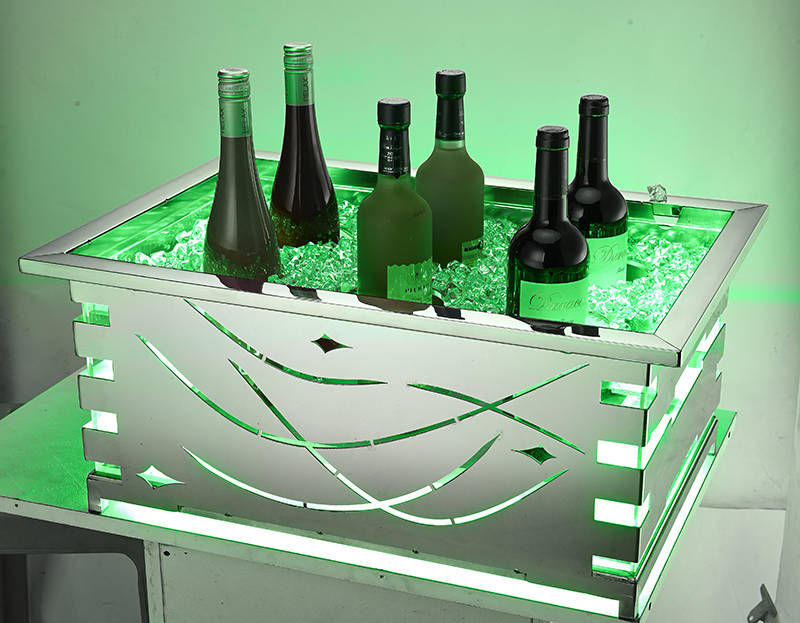
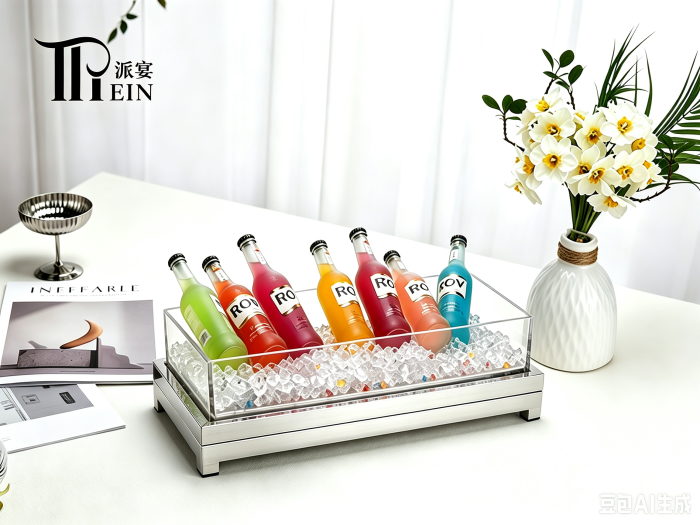
Freshness is the number-one demand — especially for seafood. PYEIN refrigerated ice beds, crushed-ice troughs, and low-temperature display pans keep fish, oysters, and sashimi "on ice" from first service to last.
2. Breathable Bamboo & Rattan Baskets
In humid weather, solid wood can warp and trap moisture. Open-weave bamboo baskets and rattan storage let air circulate, cut mold risk, and feel light and fresh on the eye.
3. Glass Display Jars & Sealed Containers
Nuts, granola, dried fruit, condiments, and garnishes need protection from humidity without losing their visual appeal. Glass jars and sealed containers keep them visible, fresh, and pest-free.
4. Acrylic Dust Covers
Pastries, cakes, and desserts need continuous protection on a tropical buffet line. PYEIN acrylic dust covers keep food visible and appetizing while shielding it from dust, insects, and airborne moisture.
5. Compact Multi-Tier Stands & Small-Plate Displays
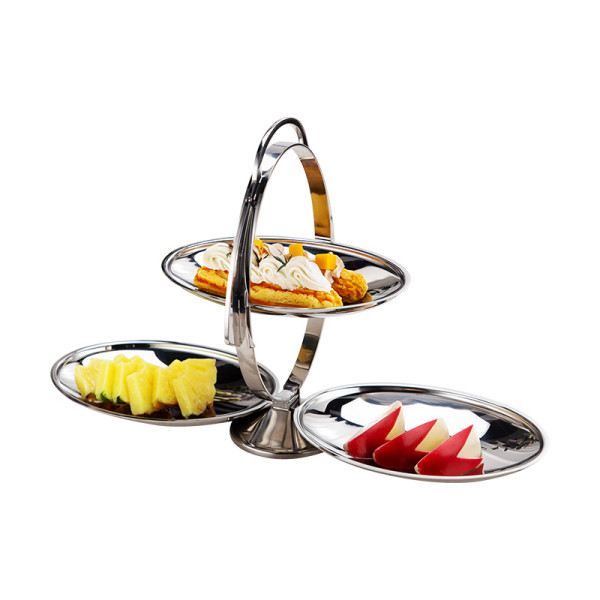
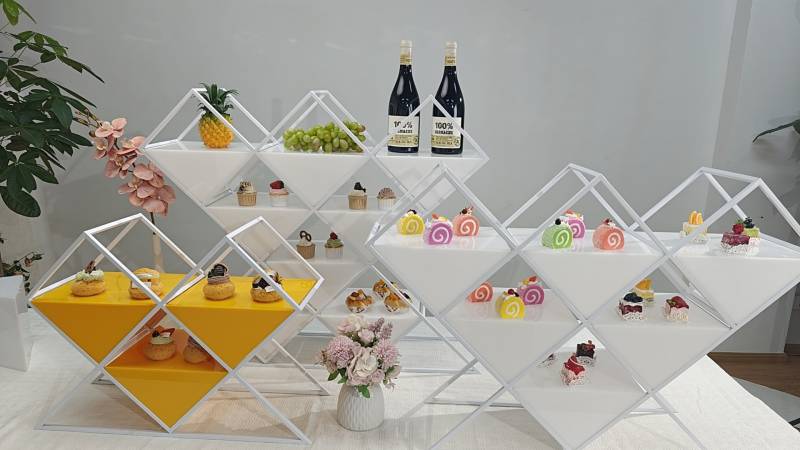
Humid-climate cuisines are built on small portions and many choices — dim sum steamers, tapas, afternoon tea. Mini tiered stands, porcelain cups, and bamboo steamers present dishes in neat, small-portion arrangements.
How to Keep Seafood Fresh on a Buffet in Hot Weather
A five-step operating routine for seafood stations in hot, humid climates — build it into your service log and your display stays below 4 °C from first service to last.
- Start cold. Chill seafood to below 4 °C before it ever reaches the display, and pre-chill the pans on the ice bed.
- Layer the ice. Use a large ice pan on the bottom with smaller pans on top — the classic "step" layout keeps everything in contact with cold while adding visual depth.
- Top up crushed ice every 1–2 hours. In hot weather, ice melts fast. Schedule ice replenishment before service peaks, not after guests notice.
- Serve in small batches. Put out modest amounts and replenish frequently. Less time on the line means less time in the danger zone.
- Monitor temperature every 30 minutes. Use a probe thermometer and rotate or pull any seafood that approaches 4 °C. Document readings for your food-safety log.
The Daily Freshness Routine in Tropical Heat
What separates a five-star tropical buffet from a food-safety incident is the routine behind the display. These five daily habits are non-negotiable in hot, humid climates.
Hot-Climate Buffet Equipment Checklist
| Station | Recommended Equipment | Material | Display Tip |
|---|---|---|---|
| Seafood / sashimi | Refrigerated ice beds, crushed-ice troughs | 304 stainless steel | Layered pans, stay below 4 °C |
| Fruit / salad | Bamboo & rattan baskets, glass jars | Bamboo, rattan, glass | Open weave = airflow, less mold |
| Tea / dim sum / desserts | Mini tiered stands, porcelain cups, steamers | Ceramic, bamboo | Small plates, many choices |
| Pastries / dry goods | Acrylic dust covers, sealed jars | Acrylic, glass | Visible but protected from pests |
| Winter warm items | Compact dispensers, stackable hotpots | 304 / 201 stainless steel, ceramic | Warm in moderation, stay light |
FAQ: Hot-Climate Buffet Equipment
What temperature should seafood be kept at on a hotel buffet?
Below 4 °C (40 °F). Use refrigerated ice beds and crushed ice, check with a probe thermometer every 30 minutes, and never let seafood sit in the temperature danger zone (4–60 °C) for more than two hours total.
What buffet equipment material does not rust in humid weather?
304 stainless steel is the safest choice for anything that touches food — it resists rust and cleans easily. For decorative items choose glass, ceramic, or treated bamboo; avoid plain carbon steel and untreated wood in humid service areas. Where parts never contact food — frames, brackets, non-service surfaces — 201 stainless steel is a cost-effective alternative in less corrosive conditions.
How do hotels prevent mold on buffet displays in humid climates?
Choose breathable, open-weave materials such as bamboo and rattan that allow airflow, dry and rotate baskets daily, and use sealed containers for anything stored overnight. Good ventilation in the buffet area is half the battle.
Can wooden buffet equipment be used in hot, humid climates?
Yes, if it is sealed or treated with a clear lacquer or wax finish and kept dry. Prefer open-weave bamboo and rattan over solid wood panels, which trap moisture and can warp.
Why are small plates better for buffets in hot climates?
Small portions turn over faster, so food spends less time exposed to heat and humidity. It also matches the "a little of everything" dining style common in Southeast Asia and the Middle East.
The Hot-Climate Formula: Cold, Covered, Compact
Heat, humidity, and pests can be beaten with the right equipment and routine: ice beds that keep seafood below 4 °C, breathable baskets that resist mold, sealed jars and covers that keep pests off, and small portions that turn over fast.
PYEIN designs and manufactures refrigerated ice beds, crushed-ice troughs, bamboo and rattan collections, sealed glass displays, acrylic covers, and compact tiered stands built for hot-climate hotel service. Every piece is customizable to your menu, space, and service flow. Explore the full buffet equipment catalog, read more buying guides, or send an inquiry for a custom buffet quote.