Buffet Equipment for Cold Climates: A Practical Guide for Hotels in Dry, Cold Regions
In cold, dry climates, hotel buffets must fight three enemies at once — dry air that dries out food, heat that escapes quickly, and guests who expect generous portions. The winning formula is heavy-duty, high-capacity equipment: multi-tier stands for abundant pastry displays, large milk dispensers and toasters for the morning rush, lidded wooden bread boxes that trap moisture, hammered-steel baskets for bold fruit presentation, and high-low ice pans for show-stopping seafood. Choose solid wood and thick 304 stainless steel, and size everything for your busiest hour.
This guide is based on over 11 years of hospitality equipment manufacturing experience at PYEIN®, a premium buffet equipment brand specializing in hotel and catering solutions worldwide, where we have designed and delivered 500+ custom buffet stations and display systems for hotels and catering operations across 30+ countries. Every recommendation reflects real-world installations and industry best practices.
Why Cold Climates Need a Different Buffet Equipment Strategy
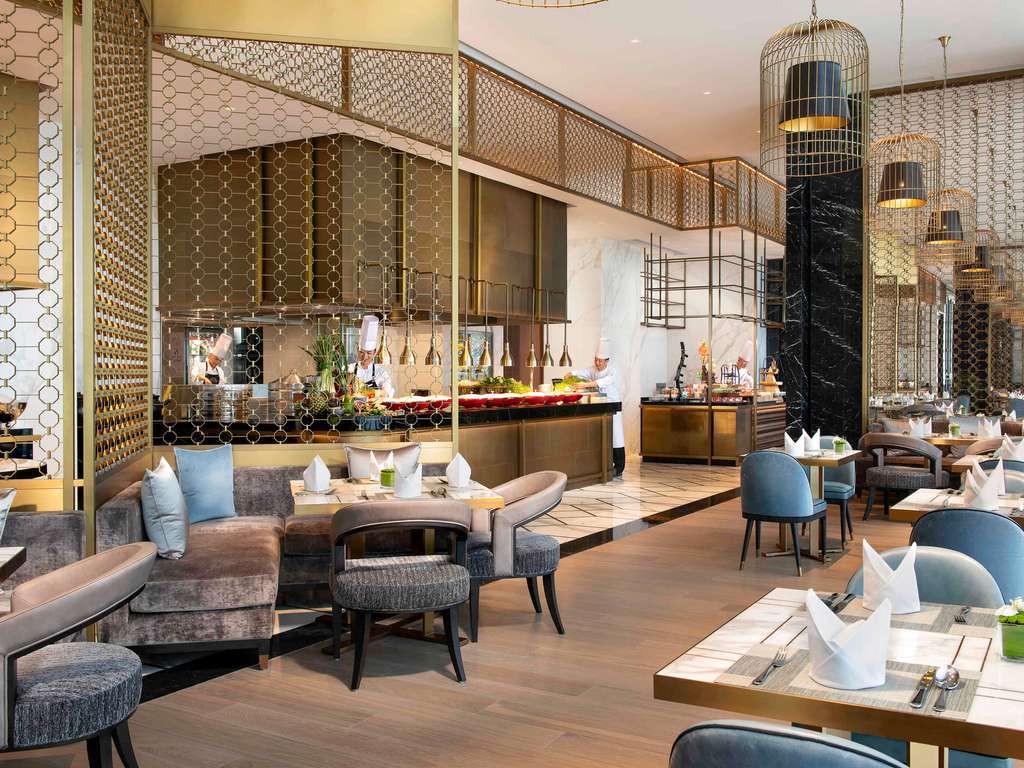
From Norway and Sweden to Finland, Canada, and Iceland, cold-climate hotel buffets share the same operating reality. Indoor heating dries the air aggressively, hot food cools fast in drafty rooms, and guests expect the buffet to look full and abundant at every service. Equipment that seals, covers, and traps humidity is not a luxury here — it is a daily necessity.
The Dry-Air Problem
Uncovered bread goes stale and cracks within a couple of hours, cut fruit and cakes lose moisture and look tired, and delicate pastries harden. Equipment that seals, covers, or traps humidity protects every dollar spent on food.
The Heat-Loss Problem
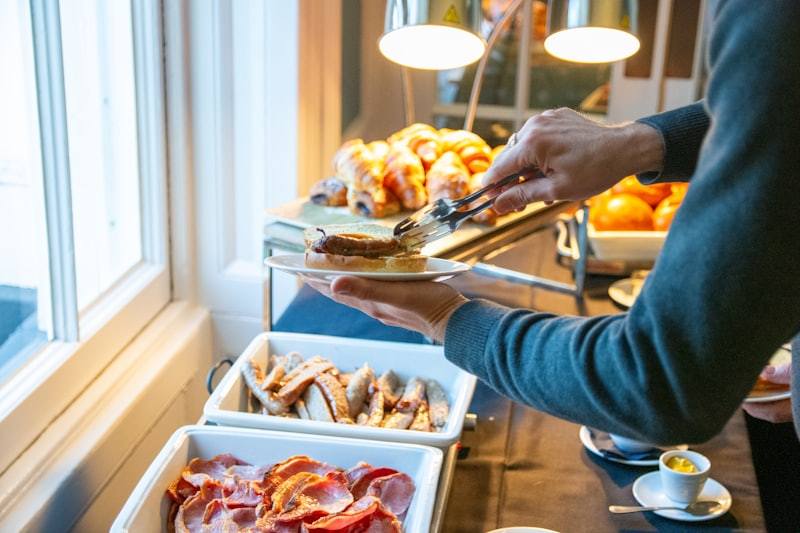
Hot food cools fast when the room is drafty and the door keeps opening. Warmers, dispensers, and chafing units must be sized generously so hot breakfast items never dip below food-safe levels during peak service.
The Abundance Expectation
Guests in cold-climate markets expect a buffet to look full — generous piles of bread, pastries, and seafood, not curated minimalism. That expectation drives the need for large-capacity, stackable, high-volume display pieces.
Three Challenges Every Cold-Climate Buffet Faces
5 Must-Have Buffet Equipment Pieces for Cold Climates
1. Multi-Tier Stands — The Vertical Workhorse
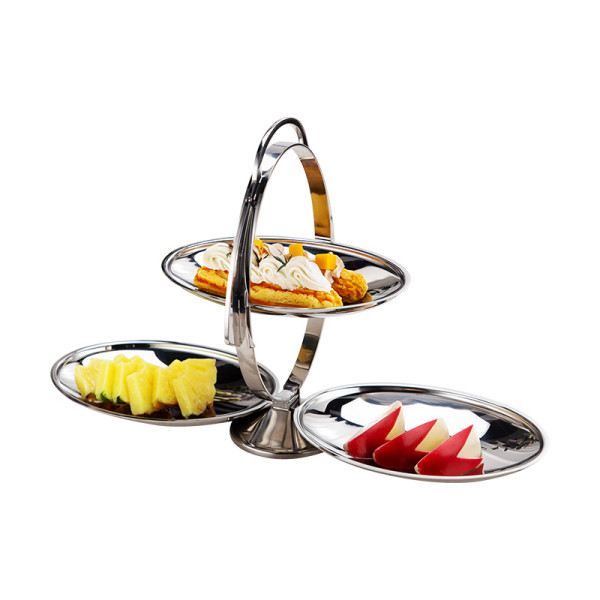
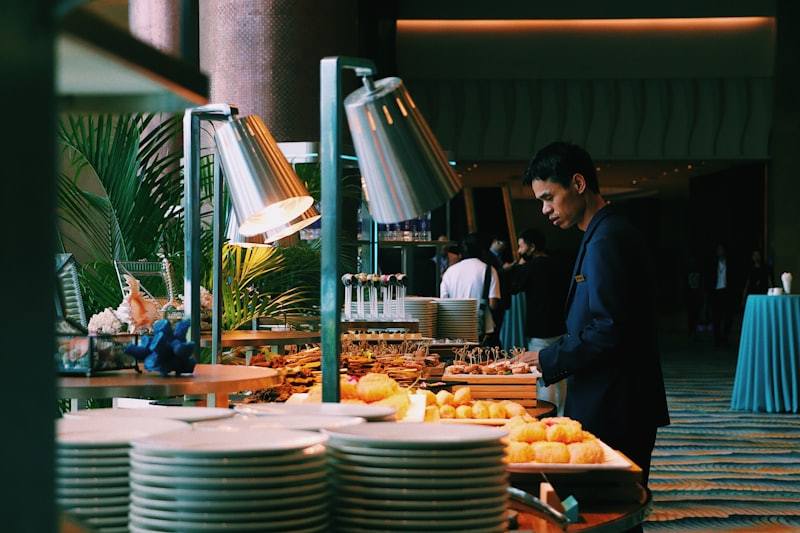
Bread, pastries, and hot staples move fast at cold-climate buffets, and a single flat counter cannot keep up. PYEIN modular tiered stands combine 1–10 tiers up to 460 mm high, multiplying vertical space so one station carries a full pastry array.
2. High-Capacity Milk Dispensers & Commercial Toasters
Winter breakfasts in cold regions are built on hot drinks and baked goods, and the morning rush is a bottleneck test. PYEIN large-capacity milk dispensers and commercial toasters keep the line moving without refill breaks.
3. Lidded Wooden Bread Boxes — Moisture Traps
The single best defense against dry-air staleness is a covered bread container. PYEIN lidded wooden bread boxes trap heat and steam inside, keeping rolls soft, while stackable designs save precious counter space.
4. Hammered-Steel Fruit Baskets — Bold, Full Presentation
Fruit and cold-food displays in cold regions should look substantial, never thin. PYEIN hammered-finish baskets and bowls are made of thick 304 stainless steel, sized for guests who serve by the full plate.
5. High-Low Ice Pans — The "Seafood Mountain"
Cold-climate diners love a seafood display with visual impact — towers of lobster, king crab, and oysters. PYEIN high-low ice pans carry large volumes of seafood in a single sweeping arrangement, with stepped heights that add depth and abundance.
How to Set Up a Cold-Climate Breakfast Buffet
A simple five-step process that works for any hotel in a dry, cold region.
- Zone the line by temperature. Place the hot station first in the traffic flow, then bread and pastries, then fruit and cold food, and seafood last — so guests move from warm to cool without backtracking.
- Oversize your warmers for the rush. Size milk dispensers, toasters, and chafing units for your busiest hour. Cold-climate mornings are short and intense; undersized warmers are the most common guest complaint.
- Cover everything that dries out. Bread goes in lidded wooden boxes; pastries sit under clear dust covers; cut fruit is displayed in smaller batches, replenished often rather than exposed all morning.
- Build height with tiered stands. Use multi-tier stands to layer breads, pastries, and cakes vertically — more product visible, less counter space used, and a fuller-looking display.
- Finish with a seafood centerpiece. Anchor the cold station with a high-low ice pan seafood display. It gives the buffet a memorable focal point and signals abundance to guests.
Cold-Climate Buffet Equipment Checklist
| Station | Recommended Equipment | Material | Display Tip |
|---|---|---|---|
| Bread & pastry | Multi-tier stands (1–10 tiers) | Solid wood + steel | Stack high, keep volumes generous |
| Hot drinks / breakfast | Large milk dispensers, commercial toasters | 304 stainless steel | Size for the morning peak, not the average |
| Bread storage | Lidded wooden bread boxes | Solid wood | Stackable boxes save counter space |
| Fruit / cold food | Hammered fruit baskets & bowls | Thick 304 stainless steel | Fill generously, whole-plate serving |
| Seafood | High-low ice pans | Stainless steel | Layer heights for a "seafood mountain" |
FAQ: Cold-Climate Buffet Equipment
What is the best material for buffet display in cold, dry climates?
Solid wood and thick 304 stainless steel. Wood insulates and retains warmth naturally; thick stainless steel is durable, heat-retaining, and easy to clean. Avoid thin-gauge metals and porous materials that crack in dry air.
How do hotels keep bread soft on a buffet in winter?
Lidded wooden bread boxes are the classic solution — they trap steam and block dry air. For high volume, pair them with covered bread displays or clear dust covers that hold humidity inside.
Do cold-climate buffets need ice pans for seafood?
Yes. Seafood must stay chilled regardless of outside temperature. High-low ice pans keep lobster, king crab, and oysters at food-safe temperatures while doubling as the visual centerpiece of the display.
How many tiers should a buffet display stand have?
Most cold-climate stations work best with 2–5 tiers in use at once. A modular stand that supports 1–10 tiers lets you scale up for peak service (holidays, Sunday brunch) and collapse down for quieter days.
What is the ideal serving temperature for a hot breakfast buffet?
Hot food should be held at or above 60 °C (140 °F). High-capacity milk dispensers and chafing units should be sized so the temperature never drops during the morning rush.
The Cold-Climate Formula: Heavy, Warm, Abundant
Dry air, heat loss, and big appetites — the right equipment answers all three at once. Multi-tier stands build the abundant look, oversized warmers protect the morning rush, lidded wooden boxes keep bread soft, and high-low ice pans make seafood the star.
PYEIN designs and manufactures modular tiered stands, high-capacity dispensers, hammered-steel baskets, high-low ice pans, and wood-and-steel collections built for cold-climate hotel service. Every piece is customizable to your menu, space, and service flow. Explore the full buffet equipment catalog, read more buying guides, or send an inquiry for a custom buffet quote.