Buffet Fruit Plates and Ice Housing: Complete Guide for Hospitality Buyers
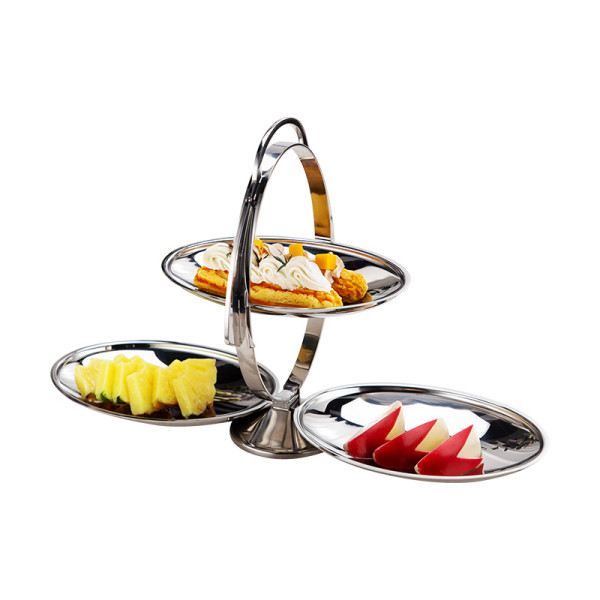
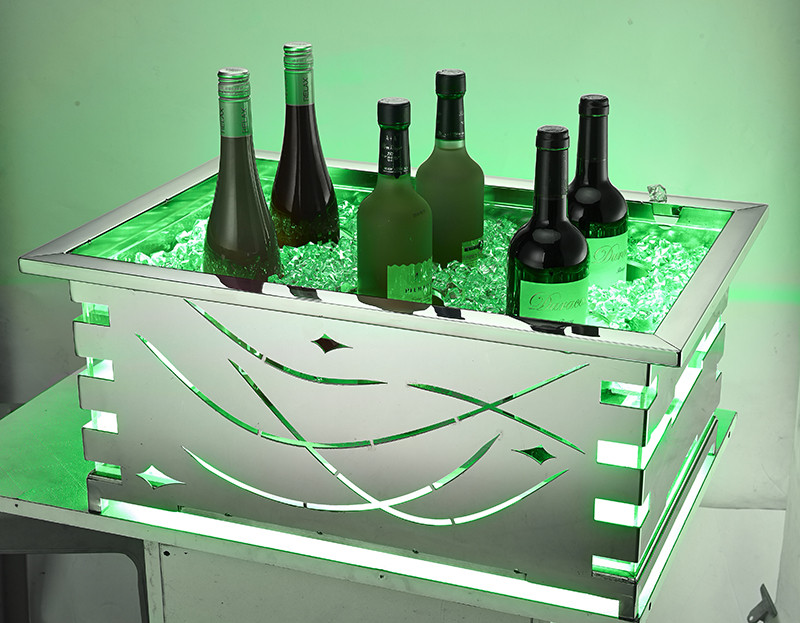
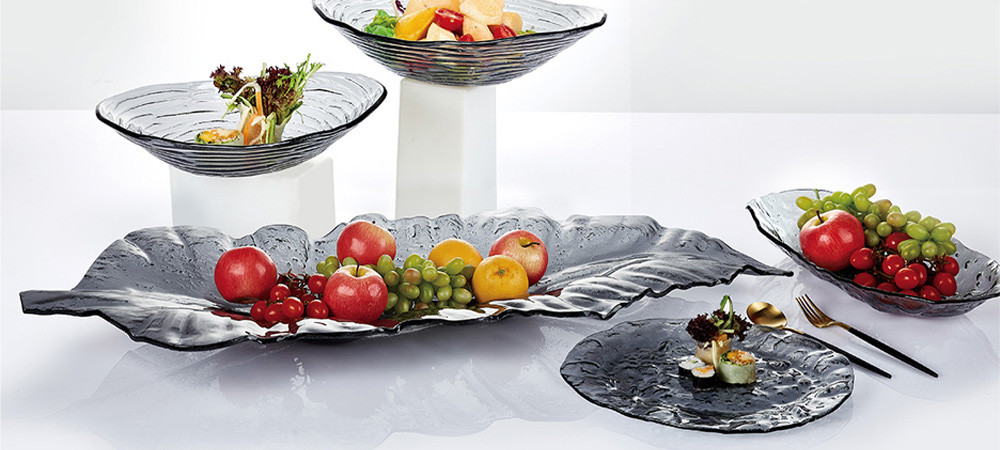
Buffet fruit plates and ice housing are specialized food display systems used in hotels, restaurants, and catering operations to present fresh fruits and perishable items at safe temperatures. Fruit plates provide an organized surface for displaying cut fruits, while ice housing units maintain temperatures at or below 4 degrees Celsius (39 degrees Fahrenheit) to prevent bacterial growth and extend freshness during service. Together, they form a critical component of buffet food safety compliance and presentation quality in commercial hospitality environments. Buffet fruit plates are specifically designed serving plates used to display fresh, cut, or whole fruits on buffet lines. Unlike standard dinner plates, buffet fruit plates are engineered for commercial food service environments, where they must withstand frequent handling, repeated washing, and extended display periods. In professional hospitality settings, the choice of fruit plate directly impacts both food safety and visual presentation. The right plate keeps fruit organized, prevents cross-contamination between varieties, and complements the overall buffet aesthetic. Key Insight: The material, depth, and size of a buffet fruit plate affect how quickly fruit warms during service. Shallow plates with good thermal conductivity, when placed on ice housing, cool fruit more effectively than deep bowls where the center remains warm. Buffet ice housing refers to chilled display units that use ice or refrigerated beds to keep perishable foods at safe temperatures during buffet service. These units typically consist of a basin or tray that holds crushed ice, with fruit plates or food containers placed directly on top. Some advanced models feature integrated drainage systems to remove meltwater and maintain consistent cooling. Ice housing is essential for any buffet that serves cut fruits, seafood, salads, dairy-based desserts, or other temperature-sensitive items. Without proper chilling, these foods enter the temperature danger zone (between 4 and 60 degrees Celsius / 39 to 140 degrees Fahrenheit), where bacteria multiply rapidly. Ice housing operates on the principle of conductive cooling. Crushed or flaked ice fills the housing basin, and food containers or plates rest directly on the ice surface. The ice absorbs heat from the food and surrounding air, maintaining a cold environment. As ice melts, the meltwater must be drained to prevent the food from sitting in warm liquid, which would accelerate bacterial growth rather than prevent it. Three primary configurations are used in commercial buffets: integrated ice beds built into buffet counters, modular ice housing units that can be placed on existing tables, and portable ice display bowls for standalone fruit stations. Each type serves different operational needs, from permanent hotel buffet installations to flexible catering setups. The material of your buffet fruit plate affects durability, food safety, maintenance requirements, and visual appeal. Below is a comparison of the four most common materials used in commercial buffet operations. For B2B buyers sourcing buffet equipment, 304-grade stainless steel remains the industry standard. It offers superior corrosion resistance, withstands commercial dishwasher cycles without degradation, and provides excellent thermal conductivity when paired with ice housing. PYEIN manufactures stainless steel fruit trays in multiple configurations, all suitable for ice housing integration. Food safety is the primary reason ice housing is used in buffet service. Multiple regulatory frameworks govern how long perishable foods can be displayed and at what temperatures. Compliance Note: HACCP (Hazard Analysis and Critical Control Points) guidelines require documented temperature monitoring for buffet displays. Hotels and catering operations should maintain logs of buffet temperatures at regular intervals during service. Local health department regulations may specify additional requirements. Proper setup is critical for both food safety and visual appeal. Follow these steps to configure a buffet fruit station with ice housing. Refrigerate fruit plates, serving utensils, and the ice housing basin for at least 30 minutes before setup. Pre-chilling prevents the ice from melting prematurely and ensures the display starts at a safe temperature. Fill the ice housing basin with crushed or flaked ice to a minimum depth of 5 centimeters. Crushed ice provides better surface contact than cubed ice. Level the ice surface to ensure plates sit flat and evenly cooled. Place pre-chilled fruit plates directly on the ice surface, ensuring full contact. Arrange plates in a logical sequence that guides guest flow and prevents congestion. Leave 2 to 3 centimeters between plates for air circulation. Place cut fruits on plates just before service begins. Group by color and type for visual appeal. Ensure each fruit variety has its own serving utensil to prevent cross-contamination. Do not overcrowd plates, as this reduces cooling efficiency. Place a food-grade thermometer in the ice housing near the fruit plates. Check and log the temperature every 30 minutes during service. If the temperature rises above 4 degrees Celsius, replenish ice immediately. Schedule fruit replacement every 2 to 4 hours depending on ambient temperature and guest traffic. Remove any fruit that has been at room temperature for more than 2 hours. Drain meltwater and replenish ice as needed throughout service. Even experienced hospitality teams can make errors that compromise food safety or presentation quality. The following issues are frequently observed in buffet operations. Using too little ice is the most common mistake. When ice depth is less than 5 centimeters, cooling becomes uneven, and food in the center of the plate may warm to dangerous levels. Always err on the side of more ice, not less. Failing to drain meltwater creates a warm water bath that actually accelerates bacterial growth rather than preventing it. Ensure drainage systems are functional before service and check them every 30 minutes. Piling fruit too high on plates reduces the contact area between the plate and the ice. The fruit at the top remains warm while only the bottom layer stays cool. Use multiple plates rather than overfilling one. Cracks in glass or ceramic plates, dents in stainless steel, or scratched acrylic surfaces can harbor bacteria and are difficult to sanitize properly. Inspect all equipment before each service and replace damaged items immediately. For hotel purchasing managers, catering directors, and food service distributors, selecting the right buffet fruit plates and ice housing requires attention to specifications that affect long-term operational costs and compliance. Verify that stainless steel products use 304-grade (18/8) material. Lower grades like 430 corrode faster in food service environments. Request material certificates from suppliers. Ice housing units must have a functional drainage mechanism. Check drain placement, hose compatibility, and whether the drain can be operated during service without disrupting the display. All fruit plates and removable ice housing components should be rated for commercial dishwasher cycles. Confirm temperature ratings (typically 82 degrees Celsius minimum for sanitization). For branded operations, look for suppliers offering logo engraving, custom sizes, and color finishes. PYEIN provides OEM and ODM customization for fruit plates and ice housing with low minimum order quantities. Commercial buffet equipment should come with a minimum 1-year warranty against manufacturing defects. Confirm availability of replacement parts and after-sales support channels. Standard production lead times for custom buffet equipment range from 15 to 30 days. Minimum order quantities vary by product type. Discuss inventory planning with your supplier to avoid service disruptions. Cut fruits displayed on a buffet must be held at 4 degrees Celsius (39 degrees Fahrenheit) or below. Ice housing units help maintain this temperature through direct contact cooling. Use a food-grade thermometer to verify the temperature every 30 minutes during service. Without temperature control, cut fruits should not be displayed for more than 2 hours, as recommended by FDA Food Code guidelines. With properly maintained ice housing, display time can extend to 4 hours, but fruits should be refreshed or replaced regularly for both safety and quality. 304-grade stainless steel is the industry standard for commercial buffet operations due to its durability, corrosion resistance, thermal conductivity, and ease of sanitization. Tempered glass is preferred for upscale presentations where visual clarity is prioritized. Both materials are compatible with ice housing systems. Ice should be checked every 30 to 60 minutes during active service and replenished as needed. Melted water should be drained at each check to maintain cooling efficiency. In high-ambient-temperature environments or outdoor settings, more frequent monitoring is necessary. Yes. Ice housing is versatile and commonly used for seafood displays (oysters, shrimp), salad bar components, dairy-based desserts, and chilled beverages. The key is matching the ice housing size and configuration to the specific food type and ensuring proper drainage and temperature monitoring for each application. For custom-manufactured buffet fruit plates and ice housing from PYEIN, standard production lead time ranges from 15 to 30 days depending on order quantity, material specifications, and customization complexity. Contact PYEIN directly for project-specific timelines and minimum order quantities. Buffet fruit plates and ice housing are not merely presentation accessories; they are essential food safety equipment for any hospitality operation serving perishable items. The right combination of materials, proper setup procedures, and consistent temperature monitoring directly impacts both guest safety and buffet quality. For B2B buyers, the key decision factors are material grade (304 stainless steel recommended), drainage system quality, dishwasher compatibility, and supplier customization capabilities. Investing in quality equipment reduces long-term replacement costs, ensures regulatory compliance, and enhances the guest experience. PYEIN, as the premium buffet equipment brand of GEHONG, manufactures a full range of buffet fruit plates and ice housing solutions designed for commercial hospitality use. Our products are engineered to meet international food safety standards while offering customization options for branded operations. Explore our buffet equipment catalog or send an inquiry for custom project consultations.
What Are Buffet Fruit Plates?

What Is Buffet Ice Housing?
How Ice Housing Works
Types of Ice Housing

Material Comparison: Choosing the Right Fruit Plate
Material
Durability
Cooling Efficiency
Cleanability
Typical Cost
Best Application
304 Stainless Steel
Excellent
High
Excellent
Medium to High
High-volume hotel buffets, daily service
Tempered Glass
Good
Moderate
Good
Medium
Upscale presentations, luxury venues
Acrylic / Polycarbonate
Fair
Low
Fair
Low
Budget operations, outdoor events
Ceramic
Good
Low
Good
Medium
Themed events, specialty displays

Food Safety Standards and Temperature Control
Critical Temperature Guidelines
Step-by-Step: Setting Up a Fruit Display with Ice Housing
Pre-Chill All Components
Prepare the Ice Housing
Position Fruit Plates
Arrange Cut Fruits
Set Up Temperature Monitoring
Establish Service Rotation
Common Mistakes to Avoid
Insufficient Ice Depth
Neglecting Drainage
Overcrowding Plates
Using Damaged Equipment
B2B Purchasing Guide: What to Look For
Material Grade
Drainage System
Dishwasher Compatibility
Customization Options
Warranty and Support
Lead Time and MOQ
Frequently Asked Questions
What temperature should buffet fruit displays be maintained at?
How long can cut fruit be safely displayed on a buffet?
What is the best material for commercial buffet fruit plates?
How often should ice be replaced in buffet ice housing?
Can ice housing be used for foods other than fruit?
What is the typical lead time for custom buffet fruit plates and ice housing?
Summary and Key Takeaways